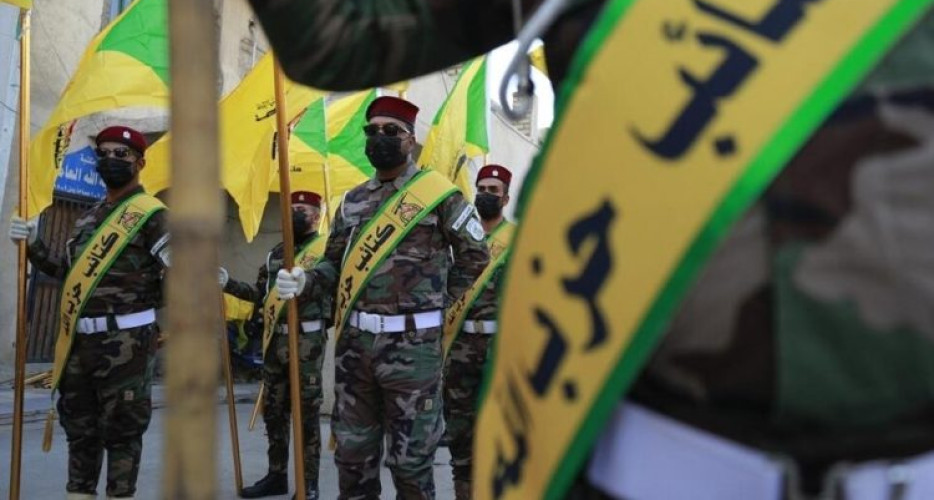
Peregraf — A senior figure in the Iran-aligned armed group Kataib Hezbollah has issued a warning to Kurds in Iraq and the wider region, as tensions sharply rise between United States and Iran, amid reports of increased American military deployments, including naval fleets and fighter jets.
Abu Ali al-Askari, head of the Security Bureau of Kataib Hezbollah, said in a statement released on February 23 that the region is witnessing “severe tensions” driven by what he described as U.S. preparations for a potential confrontation with Iran.
Al-Askari claimed that Washington is mobilizing military assets and strengthening its presence across the region, warning that these moves could pave the way for a broader conflict. He alleged that American preparations are expanding geographically, “stretching from Syria through the Kurdistan Region of Iraq,” and taking on an increasingly land-based dimension.
Warning to Kurds
In a notable part of the statement, al-Askari directly addressed Kurdish actors, urging them to avoid involvement in any potential military escalation.
“The Kurds of the region must exercise rationality and not become embroiled in a military adventure targeting Iran,” he said, suggesting that Kurdish areas could become part of a wider operational corridor in the event of conflict.
The remarks highlight growing concerns among Iran-aligned factions about the strategic role of the Kurdistan Region, particularly given its geographic position bordering Iran and hosting international interests.
Rising Regional Tensions
The statement comes as tensions between Washington and Tehran intensify, with increasing rhetoric and visible military movements. U.S. deployments of advanced military assets—including warships and combat aircraft—have fueled speculation of possible escalation, though no direct confrontation has been confirmed.
Al-Askari also called on Iranian security and military institutions to remain on high alert, stressing the need for readiness to confront any threats targeting Iran’s northwestern borders.
Fragile Security Environment
The warning adds another layer of complexity to an already fragile regional landscape, where Iraq remains a key arena for competing U.S. and Iranian influence.
For Kurdish authorities, the statement underscores the delicate balancing act required to maintain stability while navigating pressure from both Washington and Tehran.
As tensions continue to rise, concerns are mounting that Iraq—and particularly the Kurdistan Region—could once again find itself at the center of a broader regional confrontation.