Al-Maliki Signals Openness to U.S. Partnership Amid Mounting Opposition to Premiership Bid
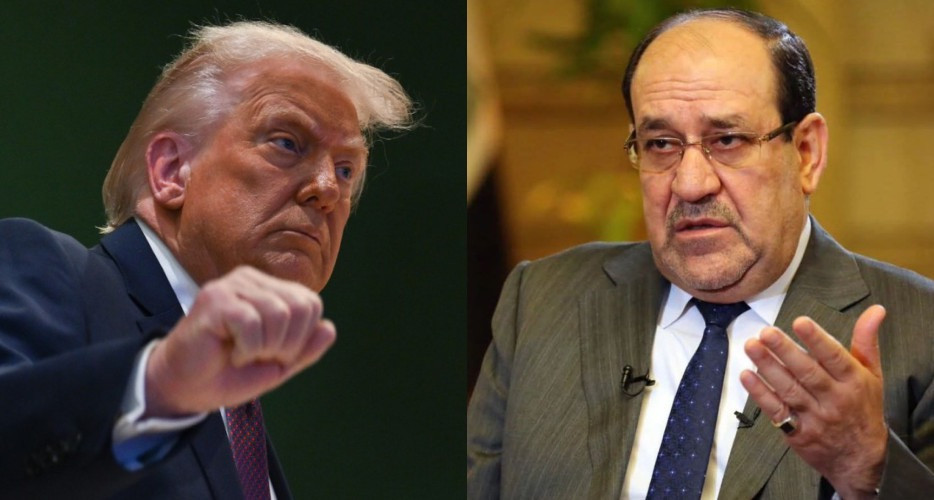
Peregraf — Former Iraqi Prime Minister Nouri al-Maliki and current candidate of the next Iraqi premiership has indicated an openness to establishing strong partnerships with the United States and Europe, even as his potential return to office faces increasing domestic and international resistance, including continued opposition from U.S. President Donald Trump.
In a public statement on Sunday, Al-Maliki, who leads the State of Law Coalition, emphasized Iraq’s need for balanced international relations while reaffirming the nation's sovereignty. He stated that Iraq is seeking economic cooperation with Western partners to drive development in infrastructure, education, energy, and public services, describing such engagement as essential for long-term stability.
“Our identity is purely Iraqi, rooted in the will of the Iraqi people,” Al-Maliki said, stressing that all political decisions must prioritize national interests. He dismissed criticism regarding his foreign ties as interference, maintaining that Iraq’s leadership should be determined domestically.
The statement arrives as Iraq’s political crisis deepens, amid growing indications that allies of current Prime Minister Mohammed Shia al-Sudani are reconsidering their support for Al-Maliki’s candidacy. This shift reflects rising domestic, regional, and international opposition to his potential return.
Bahaa al-Araji, head of the Reconstruction and Development Bloc, which is aligned with Al-Sudani, stated that the Prime Minister’s initial backing of Al-Maliki was a strategic move intended to break the prolonged political deadlock and complete constitutional processes. He described Al-Sudani as acting as a “catalyst for solutions rather than a party to the crisis,” but acknowledged that this approach has met with significant resistance.
According to Al-Araji, key factions within the Coordination Framework, along with other Iraqi political forces, have rejected Al-Maliki’s return. These divisions have exposed widening fractures within the alliance and have complicated efforts to form a new government.
External pressure has further intensified the situation. President Trump has reportedly maintained a firm stance against Al-Maliki’s return, citing concerns over his relations with Tehran—an argument Al-Maliki has dismissed as politically motivated interference.
In parallel, the Iraqi Foreign Ministry confirmed that a recent U.S. communication included explicit warnings regarding potential sanctions linked to the selection of the next prime minister. The message also outlined conditions for continued cooperation, signaling a more assertive U.S. policy toward Baghdad.
Foreign Minister Fuad Hussein previously highlighted Washington’s push for sweeping reforms. These include restructuring Iraq’s banking system and central financial institutions, integrating the Popular Mobilization Forces into state security structures, and addressing the role of non-state armed groups.
Despite these pressures, Iraq’s rival political blocs remain deadlocked, with no agreement reached on the presidency or the formation of a governing coalition. The dispute over the premiership—centered largely on Al-Maliki’s candidacy—remains the primary obstacle to resolving the ongoing political crisis.