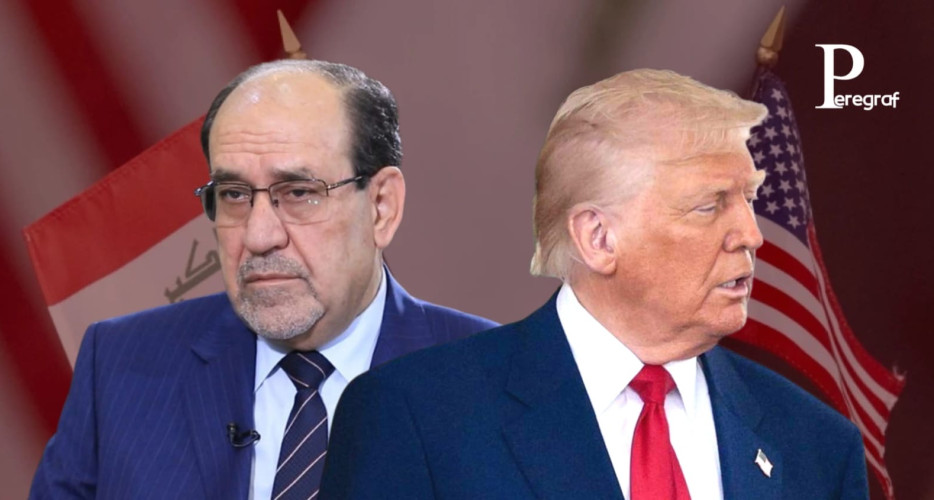
Peregraf — U.S. President Donald Trump has signaled strong reservations over the nomination of former Prime Minister Nouri al-Maliki to lead Iraq’s next government, warning that Washington’s support could be contingent on Iraq’s choice of leadership.
Asked whether he retained a “veto” over al-Maliki’s appointment, Trump said, “We’re looking at a Prime Minister. We’re gonna see what’s gonna happen. We’ve got some ideas on it. But in the end, everybody needs the US. Everybody needs us.”
The remarks follow Trump’s public rejection of al-Maliki as the official nominee of the Shiite Coordination Framework to form a new cabinet. On January 27, Trump cautioned that reinstating al-Maliki could lead Iraq into “poverty and total chaos,” arguing that the country’s previous experience under al-Maliki’s leadership left it vulnerable and unstable. He added that a return by the former prime minister would leave Iraq with “ZERO chance of success, prosperity, or freedom.”
The Coordination Framework formally announced al-Maliki as its candidate on January 24 during a meeting at Hadi al-Amiri’s office, citing his political experience and a majority vote. Al-Maliki has emphasized respect for Iraq’s national will, rejecting what his party described as foreign interference.
Al-Maliki’s tenure as prime minister from 2006 to 2014 remains controversial. It was marked by heightened sectarian tensions, widespread protests, and repeated security failures, culminating in the rise of ISIS and the near-collapse of the Iraqi security forces.
The political debate comes amid heightened economic vulnerability. Most of Iraq’s oil revenues are held in U.S. dollars under American oversight, giving Washington significant leverage. Finance Minister Taif Sami has publicly reassured state employees that salaries will be paid on time but has privately warned that deteriorating relations with Washington could have serious consequences. MP Ahmed Haji Rashid reported that Sami told lawmakers on February 8 that Iraq’s economy remains highly exposed to shifts in U.S. policy, adding, “If our relationship with Trump breaks down, our economic situation will become very dire.”
With Kurdish negotiations still inconclusive, Iraq faces a critical decision. Whether its political leaders can reach a compromise before internal divisions and external pressures collide may determine not only the shape of the next government but also the country’s economic stability and diplomatic relations.