Iraq and Kurdistan Region Move Toward Unified Customs Tariffs and Electronic System
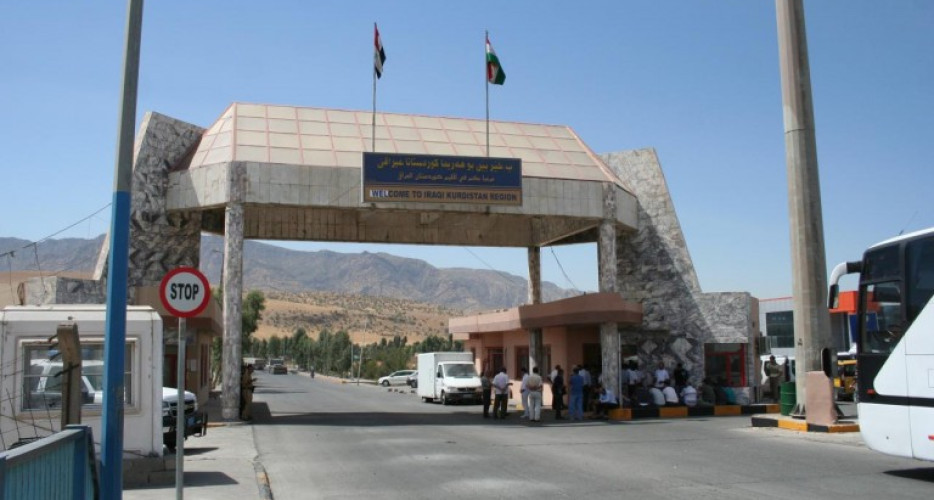
Peregraf — The Director General of the General Authority for Customs in Iraq, Thamer Qassim, announced on Thursday that the Kurdistan Region has begun aligning with federal requirements to unify customs tariffs at border crossings. This marks a significant step toward resolving long-standing disputes over customs policy.
In a statement to the Iraqi News Agency (INA), Qassim confirmed that the Kurdistan Region has started implementing tariff unification with federal border crossings in accordance with Resolution 597 and all customs instructions issued by the federal government. He noted that meetings held in Baghdad over the past two days produced "practical and advanced understandings" on moving forward with the unification process.
"This is a vital step that will help resolve many issues," Qassim said, adding that discussions regarding the implementation of the ASYCUDA electronic customs system in the Kurdistan Region are also at an advanced stage.
Qassim explained that a special committee has been formed to oversee goods entering Iraq through the Ibrahim Al-Khalil border crossing, specifically regarding financial transfers, in compliance with directives from the Prime Minister. He stated that the new measures primarily impact traders operating outside official customs and tax regulations.
"Those whose financial transfers are not registered in the ASYCUDA system and who lack tax compliance will be affected," he said, emphasizing that access to the system requires both an official import license and a tax identification number.
According to Qassim, the unified customs tariff does not apply to all goods but targets the most frequently imported commodities that significantly drain Iraq’s hard currency reserves. He stated that the objective is to regulate imports, preserve US dollar reserves, prevent the outflow of currency for low-quality goods, and support domestic industry.
"There must be a clear national customs policy," he emphasized.
Qassim also highlighted progress in industrial development, noting that dozens of projects have received investment and industrial development licenses. These include pharmaceutical factories, food production plants, and facilities producing medical oxygen. He added that many essential materials are now being produced locally by Iraqi companies, creating new employment opportunities.
Under the Investment and Industrial Development Law, Qassim noted that these projects are granted customs and tax exemptions for ten years, followed by a 0.5 percent duty on raw materials and production lines once the exemption period ends.
He added that the recent tariff decision is expected to boost state revenues, describing the elimination of the previous flat-fee system as a major achievement, as it was widely regarded as a waste of public funds.
Qassim concluded by stressing the importance of adopting ASYCUDA, describing it as a fully integrated electronic system that regulates imports and provides accurate, real-time data. The system, he noted, will eliminate arbitrary valuation and human interference, enhance control over goods, and help combat money laundering.
"The adoption of this modern customs system will improve Iraq’s economic ranking, stimulate recovery, and encourage investment," he said.