Barzani and Talabani to Meet in Erbil to Finalize Kurdish Candidate for Iraq Presidency
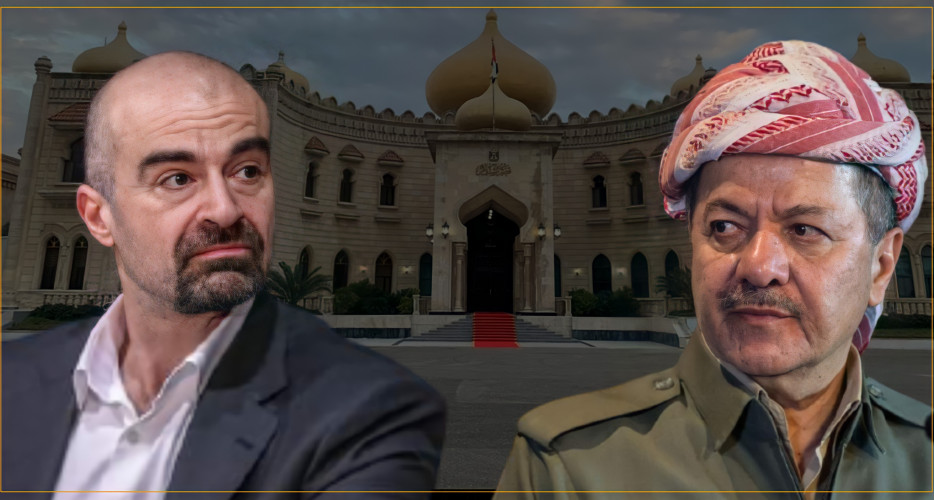
Peregraf — Kurdistan Democratic Party (KDP) President Masoud Barzani and Patriotic Union of Kurdistan (PUK) President Bafel Talabani are scheduled to meet in Erbil on Wednesday in a renewed effort to agree on a single Kurdish candidate for the post of President of Iraq, according to statements from KDP and PUK media outlets.
The meeting comes amid intensifying negotiations between the two main Kurdish parties, which are seeking to avoid a repeat of past divisions that have complicated Iraq’s presidential elections. The stated goal is to finalize a joint candidate who would represent Kurdistan as a whole when the matter is put before the Iraqi parliament.
Earlier on Tuesday, Kurdistan Regional Government (KRG) Prime Minister Masrour Barzani said no agreement had yet been reached, stressing that the presidency should not be monopolized by any single party. “We would like this, and we have emphasized many times, that the candidate is the candidate of Kurdistan, and no single party has the right to impose one,” he told reporters. He added that the KDP has proposed nominating a unified candidate through the Kurdistan Parliament or via Kurdish members of the Iraqi parliament to ensure broader legitimacy.
The presidential race has narrowed to three prominent Kurdish figures. Incumbent President Dr. Latif Rashid has announced his intention to seek a second term. The PUK has nominated Nizar Amedi, while the KDP has officially put forward Fuad Hussein. Political observers say the final outcome will depend heavily on shifting parliamentary alliances and last-minute negotiations among Iraq’s major political blocs.
Memories remain fresh of the previous presidential election, when prolonged rivalry between the KDP and PUK led to repeated parliamentary deadlock. That standoff ultimately resulted in the election of Dr. Rashid as a compromise candidate after both parties blocked each other’s nominees. Analysts are now questioning whether a similar consensus could emerge again or whether parliament will rally behind a formally nominated party candidate this time.
The process is further complicated by unresolved disputes within the Shiite political camp over the post of prime minister. Divisions have deepened following a message sent to U.S. President Donald Trump opposing the return of former Prime Minister Nouri al-Maliki. Despite resistance from rival factions, Maliki has continued to press his candidacy, intensifying internal tensions.
Under Iraq’s constitution, the election of a president is a crucial step, as the head of state must immediately task a nominee with forming the next government. Until that happens, Iraq remains in political limbo, with internal rivalries and external pressures continuing to shape an uncertain political landscape.