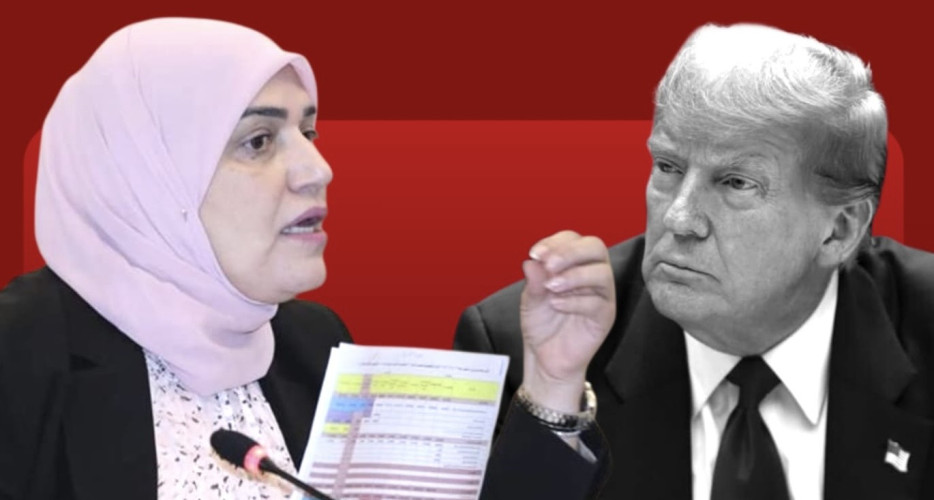
Peregraf — Iraqi Finance Minister Taif Sami has sought to reassure public employees that salaries will be paid on time this year, while warning that any deterioration in relations with the administration of U.S. President Donald Trump, could have serious economic consequences for Iraq.
According to Ahmed Haji Rashid, a member of the Iraqi Parliament, the finance minister confirmed during a meeting that January salaries for the Kurdistan Region are in the final stages of auditing and are expected to be disbursed within the next one or two days.
“It is currently being audited and will be completed within these two days,” Sami told the lawmaker, indicating that payments could be released as early as today or tomorrow.
Reasons Behind KRG Salary Delays
Addressing repeated delays in salary payments, Sami said the Ministry of Finance requires three key documents from the Kurdistan Regional Government (KRG) before funds can be transferred:
• Final financial accounts
• Data on domestic revenues
• Official confirmation from the Ministry of Oil regarding oil deliveries
“With any delay in these three matters, I am forced to delay the salaries,” she said. Nevertheless, the minister stressed that there would be no salary crisis nationwide this year, including in the Kurdistan Region, provided that the required obligations are met on time.
Warning Over U.S. Relations
Despite her reassurances, Sami underscored the broader economic risks facing Iraq, particularly in relation to Washington.
“If our relationship with Trump breaks down, our economic situation will become very dire,” she warned, highlighting Iraq’s continued vulnerability to shifts in U.S. policy and political pressure.
The minister’s remarks come amid heightened political tensions in Baghdad. Donald Trump has rejected Nouri al-Maliki as the Coordination Framework’s nominee to form the next Iraqi government, a position that has deepened divisions within Shiite political blocs.
While Maliki remains the framework’s official candidate, several Shiite factions are pushing for an alternative nominee. Maliki, however, has refused to step aside and continues to insist on his candidacy, prolonging the political deadlock at a time of economic sensitivity for the country.
The convergence of fiscal uncertainty, strained regional relations, and political infighting underscores the fragile balance Iraq faces as it seeks to stabilize its economy and governance in the months ahead.