Coordination Framework Allows MPs Free Vote if No Consensus Reached on Iraqi Presidency
Peregraf — Iraq’s Shiite-led Coordination Framework has called on its Members of Parliament to vote freely if political forces fail to agree on a single candidate for the Presidency of the Republic, a move that could reshape parliamentary dynamics amid a prolonged political deadlock.
In a press statement issued after its regular meeting No. 262, held Wednesday evening at the office of Ammar al-Hakim, the Coordination Framework said discussions focused on recent national and regional developments and the requirements of the current political stage.
The Framework reaffirmed the need to respect constitutional timelines, urging political forces to resolve the presidential file within a short timeframe, warning that continued disruption of state institutions does not correspond with the magnitude of Iraq’s political, economic, and security challenges.
Addressing Kurdish parties, the Framework called on leaders in the Kurdistan Region to seriously consider proposals presented by its delegation during a recent visit, saying such steps could help accelerate consensus and end the current deadlock over the presidency, a position customarily held by the Kurds.
Significantly, the Coordination Framework stated that if no agreement is reached on a single presidential candidate, its MPs should be free in their choices—an indication of growing impatience with ongoing delays.
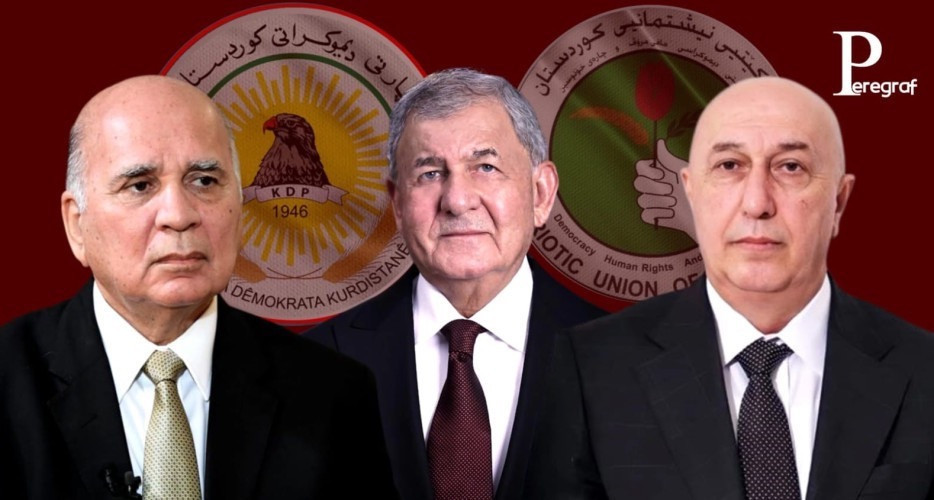
The presidential race has effectively narrowed to three prominent Kurdish figures. Incumbent President Dr. Latif Rashid has nominated himself for a second term. The Patriotic Union of Kurdistan (PUK) has put forward Nizar Amedi, while the Kurdistan Democratic Party (KDP) has officially nominated Fuad Hussein. Analysts say one of these three figures is most likely to secure the presidency, depending on parliamentary alignments and last-minute negotiations.
During the previous presidential term, Dr. Latif Rashid emerged as a compromise candidate after both the KDP and PUK blocked each other’s nominees. Observers are now questioning whether a similar consensus could materialize again, or whether parliament will back an officially nominated party candidate this time.
The Coordination Framework’s statement made no reference to the prime ministerial nomination, despite having previously put forward former Prime Minister Nouri al-Maliki. His candidacy remains contentious, facing opposition from former U.S. President Donald Trump and reported pressure from Washington for his replacement.
Political sources say the Iraqi Parliament is expected to convene early next week to elect the President of the Republic. Once elected, the president must immediately task a nominee with forming the next government, placing Iraq at a critical juncture as internal divisions and external pressures continue to shape the political process.