Iraq Moves to Close Al-Hol Chapter by Repatriating Citizens from Syria; Officials Clarify Recent ISIS Prisoner Transfers
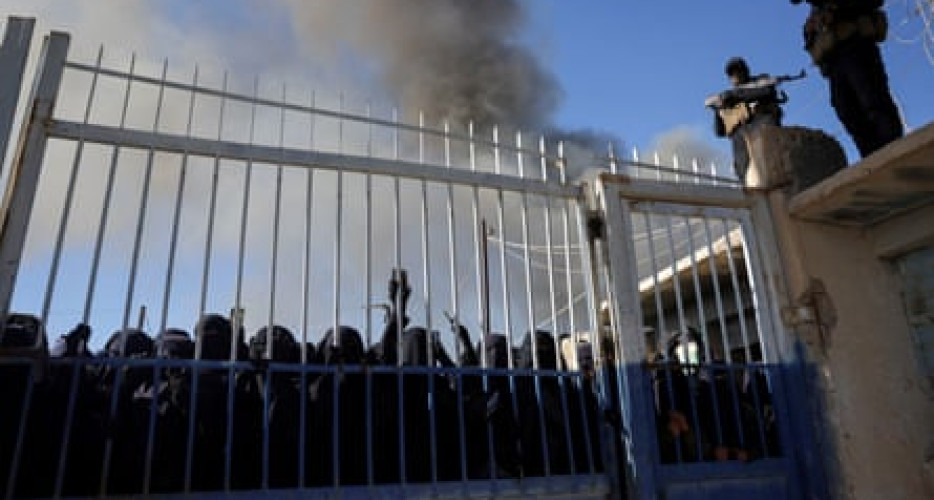
Peregraf — As part of a move described as a “courageous historical step,” the Iraqi Ministry of Migration and Displacement announced on Wednesday that Iraq is effectively helping to dismantle the Al-Hol camp in northeast Syria by repatriating its nationals. The camp, which recently came under the control of the new Syrian government led by Ahmad Al-Sharaa, currently houses thousands of Iraqis. To date, 19,000 have returned and reintegrated into their communities without any recorded security incidents.
The ministry also emphasized that the individuals recently transferred to Iraq and identified as terrorists did not come from the Al-Hol camp. Speaking to the Iraqi News Agency (INA), the ministry’s Undersecretary, Karim Al-Nouri, clarified that those specific individuals were high-ranking ISIS figures held in prisons, some of which are still run by the Syrian Democratic Forces (SDF). He confirmed that these prisoners were transferred directly to Iraqi custody by US forces to ensure maximum security.
Al-Nouri added that all Iraqis returning from Al-Hol undergo strict vetting and investigations before being moved to the Al-Amal Center for Community Rehabilitation in Al-Jada’a. He described Al-Hol as a potential “ticking time bomb,” warning that emptying the camp is necessary to prevent it from being exploited as a recruitment hub for terrorists and a breeding ground for ISIS ideology. The camp currently houses around 60,000 people of various nationalities.
He confirmed that the latest group received by the ministry—the 31st batch, consisting of 281 families—was accepted only after rigorous screening to separate innocent civilians from those with terrorist records. “Iraq is not obligated to receive any group without review,” he said.
The rehabilitation program focuses exclusively on Iraqi nationals and is supported by 11 international organizations, in coordination with the Ministry of Health. According to Al-Nouri, two-thirds of the total 19,000 returnees have successfully reintegrated into society without any security breaches.
Al-Nouri also noted that Iraq’s initiative has encouraged several European countries, which had initially hesitated, to begin repatriating their own citizens from the Syrian camp after recognizing the broader regional risk.
On accountability, he stressed that Iraq balances justice with humanitarian considerations. “The judiciary determines the fate of each individual. The innocent are not punished for the crimes of others, but there is no amnesty or tolerance for those whose hands are stained with blood,” he said.
Despite the progress, around 3,000 Iraqi nationals remain in Al-Hol, while others are believed to be held in different prisons with incomplete records, a matter that requires follow-up by the Ministry of Foreign Affairs.