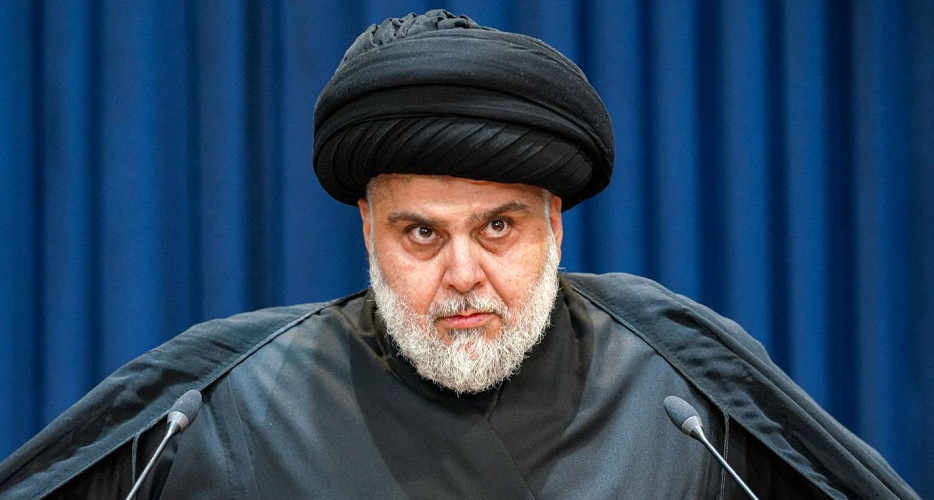
Peregraf- Muqtada al-Sadr, the influential Iraqi Shiite cleric and leader of the National Shiite Movement, issued his third warning in four days on Friday over what he described as growing security risks along Iraq’s border with Syria.
In a written statement released after reviewing security reports on the Iraqi-Syrian border, al-Sadr called for urgent measures to reinforce border security and prevent potential threats linked to terrorism and extremism.
Al-Sadr urged the Iraqi authorities to immediately provide logistical support to security forces stationed along the border, including personnel, officers, and military vehicles. He emphasized the need to gradually strengthen the security and military presence, alongside supplying food, water, clothing, medical equipment, fuel, and other essential resources.
He also stressed the importance of achieving a high level of coordination among Iraq’s security, military, and intelligence agencies, specifically highlighting the role of the Popular Mobilization Forces (Hashd al-Shaabi).
Warning of potential vulnerabilities, al-Sadr called for efforts to reduce and contain what he described as “terrorist incubators and extremism” that could exploit gaps along Iraq’s borders.
The cleric further recommended increasing the presence of senior security and military leadership among frontline troops to boost morale and strengthen determination on the ground.
In addition, al-Sadr proposed deploying religious and social mentors and elite figures to promote religious, moral, and national awareness, urging the rejection of sectarianism, extremism, and political infighting.
He concluded by cautioning that political disputes should not distract from addressing the country’s security and logistical challenges, warning against neglect or shortcomings in protecting Iraq’s borders.
Al-Sadr’s repeated warnings come amid heightened concerns over instability in neighboring Syria and its potential spillover effects on Iraq’s security.