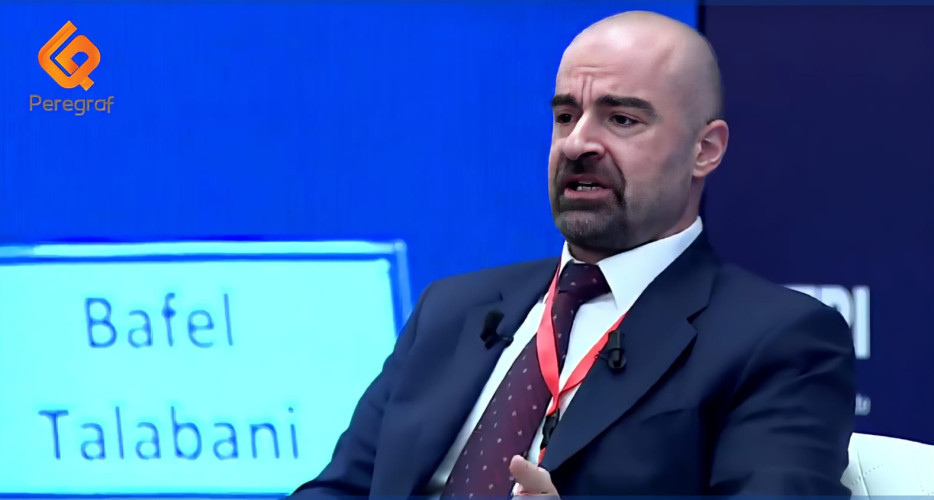
Peregraf - Bafel Talabani, President of the Patriotic Union of Kurdistan (PUK), has expressed deep concern over escalating violence in Aleppo’s Kurdish neighborhoods. Amid mounting fears of mass displacement and ethnic targeting, Talabani stated that his "heart is with the people of Rojava" during this crisis.
In a formal statement addressing attacks by Syrian opposition-affiliated forces on the Sheikh Maqsoud and Ashrafiyeh neighborhoods, Talabani noted that he is closely monitoring the "grave" developments. “I view the events in Sheikh Maqsoud and Ashrafiyeh with deep concern. In this difficult and arduous time, my heart is with our people,” he said.
Talabani urged all parties to exercise restraint and resolve the crisis through diplomacy rather than force. “I hope all sides exercise self-restraint, handle these developments with wisdom, and resolve issues through responsible dialogue,” he added, affirming his support for all efforts to de-escalate the situation.
His message comes as Kurdish leaders and regional officials warn that the situation in northern Aleppo is deteriorating rapidly, with civilians bearing the brunt of the hostilities.
Earlier, Masoud Barzani, President of the Kurdistan Democratic Party (KDP), issued a stern warning regarding the risk of ethnic cleansing in the city. In a message released on January 7, 2026, Barzani stated that the ongoing violence poses a direct threat to civilians and risks transforming political disputes into a bloody ethnic conflict.
“The dangerous situation in Aleppo is a cause for great concern, and there is a looming threat of ethnic cleansing against the Kurds,” Barzani said. He urged the relevant authorities not to allow political friction to devolve into ethnic warfare, emphasizing that Kurdish citizens must not face violence, pressure, or forced displacement from their ancestral lands.
Barzani also called on Kurdish political actors, specifically the Syrian Democratic Forces (SDF), to do everything in their power to halt the fighting and prevent further bloodshed. He warned that ethnic cleansing constitutes a crime against humanity with "grave consequences."
These warnings coincide with statements from senior officials of the Democratic Autonomous Administration of North and East Syria (DAANES). Elham Ahmed, co-chair of DAANES Foreign Relations, described the escalation by Syria’s Interim Government forces as a “war of extermination against the Kurds,” following intensified military pressure on the Sheikh Maqsoud and Ashrafiyeh neighborhoods.
Ahmed stated that forces affiliated with the Syrian opposition have imposed a tight siege on these two densely populated enclaves, accusing them of violating previous ceasefire agreements and ignoring calls for dialogue. Meanwhile, opposition forces have designated alleged SDF positions in the area as "legitimate military targets"—a claim Kurdish officials have strongly denied.
Intermittent clashes between the Kurdish Internal Security Forces (Asayish) and armed groups have resulted in casualties on both sides. Kurdish sources report that several civilians, including women and children, have been killed or injured by shelling.
As the fighting persists, hundreds of families have begun to flee their homes, sparking fears of a massive new wave of displacement. With no effective mediation currently in place, Kurdish leaders warn that a failure to halt the violence could lead to a catastrophic humanitarian and ethnic crisis in northern Syria.