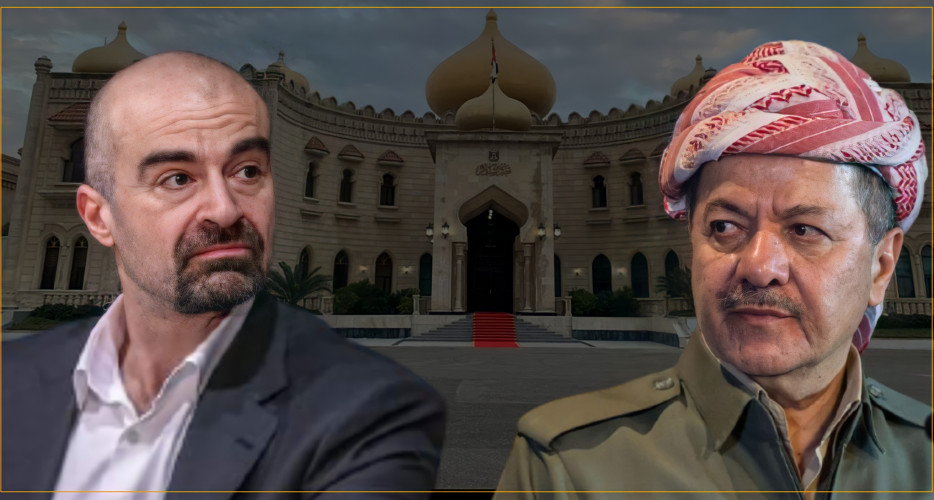
Peregraf — A fresh political standoff has emerged between the Kurdistan Democratic Party (KDP) and the Patriotic Union of Kurdistan (PUK) over the post of President of Iraq, as the deadline for submitting candidates’ names approaches with no agreement in sight.
Midway through next week marks the final deadline for nominations for the presidency, a position traditionally allocated to the Kurds under Iraq’s post-2003 power-sharing arrangement. Despite ongoing contacts, the main Kurdish parties have yet to reach consensus on a joint candidate. If the current impasse persists, Kurdish parties are expected to enter the race with more than one nominee.
A source within the KDP told Peregraf that the party will hold internal meetings ahead of the nomination deadline to assess its options. According to the source, if the PUK does not accept the proposal to put forward a neutral consensus candidate, "the KDP will field its own candidate" for the presidency.
On the other side, a high-ranking PUK source stressed to Peregraf that the party views the presidency as its rightful share and a position it has earned, signaling little room for compromise. Addressing speculation over the PUK’s nominee, the source said, "There are several names under consideration, but none have been finalized yet. The Political Bureau will convene in the coming days to make a decision."
The renewed dispute comes against the backdrop of recent tensions between the two parties over another senior federal post—the Second Deputy Speaker of the Iraqi Parliament—which is also considered part of the Kurdish share. That contest required three rounds of voting. In the first and second rounds, the PUK withheld support from the KDP’s candidate, allowing a rival to lead the vote. However, in the third round, after the KDP replaced its nominee, the PUK backed the new candidate, who ultimately defeated the rival and secured the post for the KDP.
Observers say that episode underscored the depth of political rivalry between the two dominant Kurdish parties and set the tone for the current dispute over the presidency. While both sides have publicly emphasized the need for Kurdish unity in Baghdad, practical cooperation has remained elusive.
The nomination window for the presidency opened yesterday and will remain open for three days. Today marks the first day of submissions. The process coincides with the New Year holiday, followed by the Friday and Saturday weekend, compressing the timeframe for political negotiations. Next Monday, January 5—the scheduled date for the Iraqi Parliament session—will be the final deadline for submitting candidates’ names.
Under Iraqi law, presidential candidates must meet a set of constitutional and legal requirements. A nominee must be born in Iraq to Iraqi parents, enjoy full legal capacity, and be at least 40 years old. Candidates are also required to have a good reputation and be known for integrity, justice, and loyalty to the country. Additionally, they must hold at least a bachelor’s degree from a recognized university, must not have been convicted of crimes involving moral turpitude, and must not be subject to the Accountability and Justice Law.
Following the convening of the first session of the new Iraqi Parliament and the election of its leadership—which concluded yesterday—the constitution stipulates that the President of the Republic must be elected within 30 days. The election of the president is a key milestone in completing the formation of Iraq’s new federal authorities.
Once the president is elected, the next step is the designation of a prime minister to form the government. The constitution grants the president 15 days from the date of election to task a prime ministerial candidate with forming a cabinet. Typically, the nominee comes from the largest bloc in parliament.
The final stage in the process is parliamentary approval of the new government. The designated prime minister has 30 days from the date of appointment to present the ministerial lineup and government program to parliament and secure a vote of confidence.