Iraqi, Kurdistan Asylum Applications to Europe Rise 31% in 2025 as Migration Deaths Drop 67%
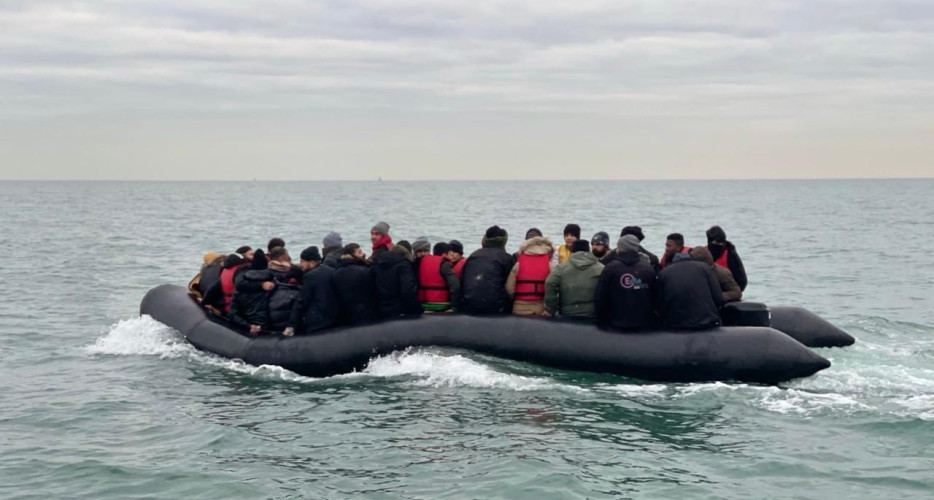
Peregraf – The number of refugees from Iraq and the Kurdistan Region applying for asylum in European countries increased by 31% in 2025 compared with the previous year, while fatalities and disappearances along migration routes fell sharply by 67%, according to a new report released on International Migrants Day.
The Lutka Foundation for Refugee and Displaced Affairs published its 2025 annual report on December 18, revealing that 31,455 citizens from Iraq and the Kurdistan Region sought asylum in Europe this year.
Casualties and Missing Persons
The report recorded 12 casualties among Iraqi migrants in 2025. Of these, 10 migrants died and their bodies were recovered, while two remain missing. The foundation noted that its statistics cover only migrants over the age of 18 registered by the International Organization for Migration (IOM), meaning the real figures may be higher due to underage migration.
Comparison with 2024
In 2024, the Lutka Foundation documented 23,400 asylum applications, 8,055 fewer than in 2025—confirming a 31% year-on-year increase. Casualties last year totaled 36 (24 deaths and 12 missing), making 2024 three times deadlier than 2025 and underscoring a 67% reduction in deaths and disappearances this year.
11-Year Overview
Cumulative data over the past 11 years shows:
• Total asylum seekers: 794,853
• Total casualties: 605 (355 bodies recovered, 250 missing)
Migration trends indicate a general decline over time:
• Peak year: 2015, with 186,422 migrants amid the rise of ISIS
• Lowest year: 2023, with 19,500 migrants
• Deadliest year: 2016, with 132 casualties (78 deaths, 54 missing)
• Safest year: 2023, with 9 casualties (7 deaths, 2 missing)
Causes and Risks
The Lutka Foundation reported that most migration deaths occur due to drowning in the Aegean Sea, particularly during illegal sea crossings following departures from Turkey toward Europe. Boat capsizings have resulted in dozens of deaths and disappearances.
The report cited war, violence, economic shifts, and environmental changes as the main drivers pushing people to migrate.