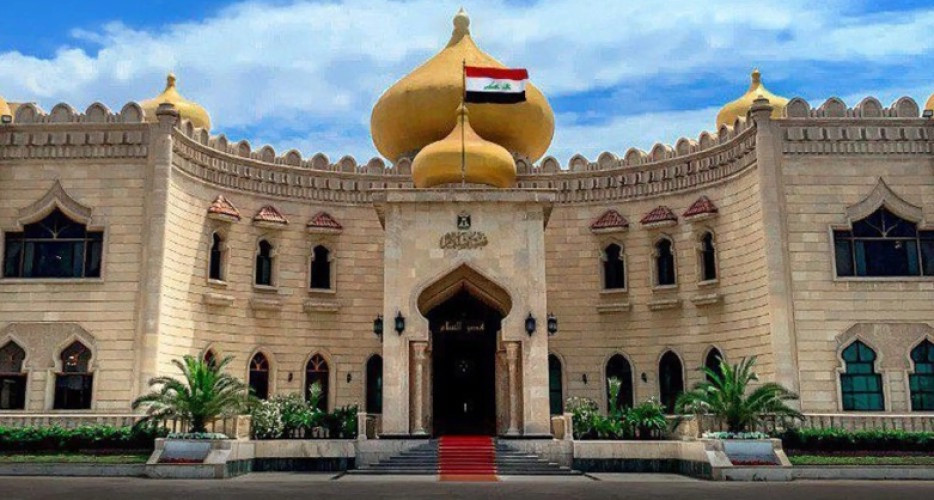
Peregraf - The Presidency of the Republic of Iraq has firmly denied approving or even being aware of the decision that listed Lebanon’s Hezbollah and Yemen’s Ansarullah (Houthis) as terrorist organizations, stressing that it only learned of the matter through social media.
In an official clarification, the Presidency stated that it had no role, knowledge, or involvement in the decision to classify the two groups as terrorist entities or to freeze their assets.
According to the statement:
• Decisions of this type are not sent to the Presidency for approval.
• Only laws passed by the Council of Representatives, along with republican decrees, are forwarded to the Presidency for auditing, ratification, and publication.
• Decisions issued by the Council of Ministers, the Committee for Freezing Terrorists’ Funds, the Anti-Money Laundering Committee, or any other entity do not fall under the Presidency's authority and are not referred to it.
The Presidency added that it “had not seen or been informed of the decision to designate ‘Ansarullah’ and ‘Hezbollah’ as terrorist groups and freeze their funds, except through social media platforms,” prompting the need for this clarification.
Iraq Backtracks on Terror List After Publication Error
The wider controversy erupted after Decision No. 61 (2025) from the Committee for the Blocking of Terrorists’ Assets — under the Central Bank of Iraq — appeared in the Official Gazette No. 4848, published on November 17, 2025. The document included Hezbollah and the Houthis among entities whose assets were to be frozen, sparking regional and domestic confusion.
In a follow-up statement issued on December 4, 2025, the committee clarified that the publication contained errors and did not reflect Iraq’s official policy.
According to the committee:
• The decision was intended solely to implement UN Security Council Resolution 1373 (2001) and respond to a request from Malaysia targeting individuals and entities linked to ISIS and Al-Qaeda.
• Some names — including Hezbollah and the Houthis — were mistakenly included and have no connection to activities involving ISIS or Al-Qaeda.
• Iraq approved only the measures related to the listed ISIS and Al-Qaeda affiliates.
• The list was published before being fully reviewed and finalized, leading to the erroneous additions.
• These entries will be removed in the corrected version of the official gazette.
The committee stressed that Iraq does not consider Lebanese Hezbollah or Yemen’s Houthi Ansarullah as terrorist organizations under Decision No. 61, and the publication error is currently being rectified.
The dual clarifications from both the Presidency and the committee aim to quell the political sensitivities that followed the initial publication, reaffirming that the controversial designations do not represent Iraq’s official stance.