Russian Consul Meets KRG Natural Resources Minister as Rosneft Reduces Stake in Kurdistan Oil Pipeline
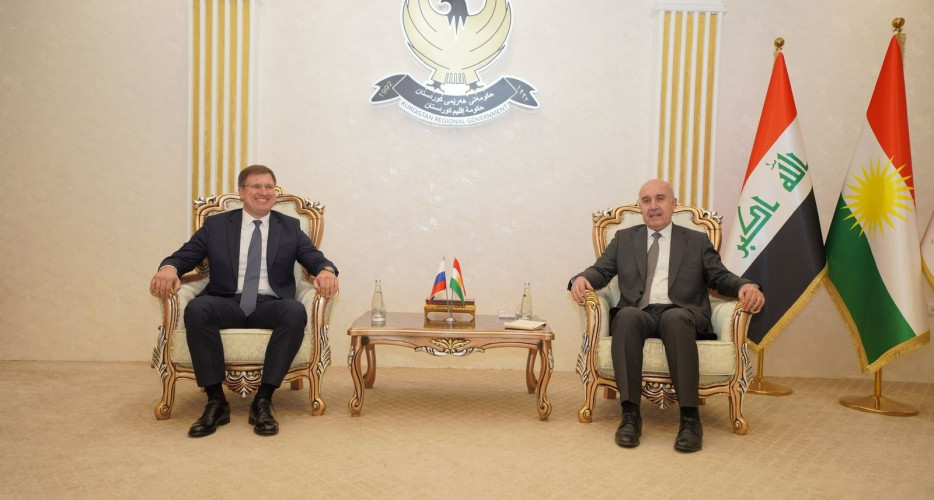
Peregraf- Russia’s Consul General in the Kurdistan Region, Maxim Rubin, met on Monday with Acting Minister of Natural Resources Kamal Mohammed to discuss issues related to the Kurdistan Region’s oil pipeline, amid ongoing changes in the ownership structure of the strategic export route.
The Ministry of Natural Resources said that officials from the Kurdistan Pipeline Company (KPC) also attended the meeting. During the talks, the Russian Consul highlighted the "historic relationship" between Moscow and the Kurdistan Region, particularly in the fields of energy and oil, stressing Russia’s interest in expanding economic cooperation.
For his part, KRG Minister Kamal Mohammed stated that the ministry is ready to address existing challenges and facilitate foreign investment in the Region’s energy sector.
The ministry did not release further details regarding the discussions over the pipeline. However, the meeting comes as Russia’s energy giant Rosneft has moved to reduce its stake in the Kurdistan oil pipeline following new U.S. sanctions targeting Russian oil producers.
Rosneft Cuts Ownership Below 50%
Reuters reported last week that Rosneft has lowered its ownership in the Kurdistan Pipeline Company to below 50% after consultations with the Kurdistan Regional Government (KRG). The step is intended to shield the company and the pipeline project from recently imposed U.S. sanctions on Rosneft and Lukoil, Russia’s largest oil firms.
The sanctions apply to any entity in which the designated companies hold more than 50% ownership, prompting Rosneft to sell part of its stake to avoid indirect penalties.
"KPC is a vital strategic asset, and Rosneft sold part of its stake following the latest U.S. sanctions," an official from the KRG’s natural resources ministry told Reuters.
UAE Company Buys 11% Stake
According to sources familiar with the transaction, Rosneft sold an 11% stake to DEX Capital, a company based in the United Arab Emirates. The sale reduces Rosneft’s share below the threshold that would trigger sanctions.
Rosneft had acquired a 60% controlling share in KPC in 2017, with the Kurdistan-based KAR Group holding the remaining 40%. At the time, the total value of Rosneft’s investment in the pipeline project was estimated at around $1.8 billion.
The Russian company has not commented publicly on the sale.
Pipeline’s Strategic Importance
KPC operates the main crude oil export pipeline of the Kurdistan Region, which transports oil from northern fields to the junction point with the Iraq–Turkey pipeline. The infrastructure is crucial for the Region’s capacity to export its oil to global markets.
The divestment marks another example of how Western sanctions on Russian energy interests are reshaping ownership structures across global oil and gas infrastructure, particularly in the Middle East, where Russian companies maintain deep ties.