U.S. Envoy Savaya Warns Against 'Any Foreign Interference' in Iraq’s Government Formation
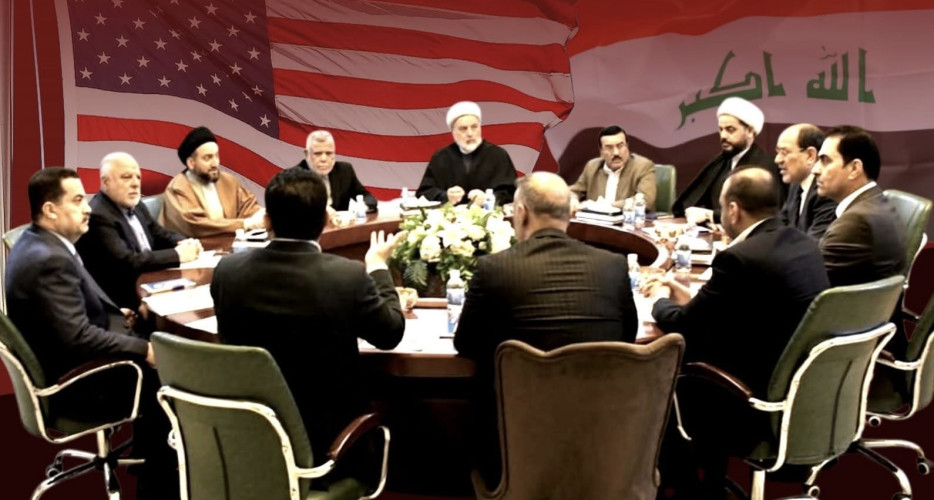
Peregraf – Mark Savaya, U.S. President Donald Trump’s Special Envoy to Iraq, issued a strong statement on Friday warning that "Washington will not tolerate any external interference in the formation of Iraq’s new government". The message comes at a politically sensitive moment, as Iraq’s dominant Shiite Coordination Framework positions itself to lead the next government following the ratification of final election results.
Savaya wrote on X that he looks forward to visiting Iraq soon and meeting key leaders, praising the “significant progress” made in the past three years and expressing hope for continued stability in the coming months.
He noted that the United States is closely monitoring government formation efforts, adding:
“Let it be clear that the United States will not accept or permit any outside interference in shaping the new Iraqi government.”
His remarks coincide with major developments in Baghdad. On Wednesday, the ruling Shiite Coordination Framework announced it had formally registered as the largest parliamentary bloc after the Independent High Electoral Commission (IHEC) released the final election results earlier in the day. With more than 170 seats in the 329-member parliament, the Framework now holds the numbers needed to form the next government without relying on Sunni or Kurdish blocs.
The announcement followed the Framework’s regular meeting No. 250, held at the office of former Iraqi Prime Minister Haider al-Abadi with the attendance of all senior leaders. The meeting reviewed the post-election landscape and outlined the political steps required to ensure a smooth and constitutional transition to a new government.
In its statement, the Coordination Framework congratulated the Iraqi people and all political forces on completing the electoral process, stressing that broad national cooperation will be vital for maintaining political stability and addressing the country’s challenges. It reaffirmed the importance of adhering to constitutional timelines to safeguard democratic legitimacy and ensure the will of the voters is respected.
As the largest bloc, the Framework confirmed it will now move toward selecting a nominee for Prime Minister. To facilitate this, it formed two high-level committees: one to develop a unified national vision and address state administration requirements, and another to interview prime-ministerial candidates based on professional standards, national considerations, and government priorities.
The Framework also discussed criteria for choosing the next premier and reviewed priority areas for the new government program, emphasizing the need to tackle Iraq’s political, economic, and service-related challenges while advancing reforms that meet public expectations.
The bloc includes multiple Shiite lists: Sudani’s Reconstruction and Development Coalition with 46 seats, Maliki’s State of Law with 29, Sadiqoun with 28, Badr with 21, Hikma with 18, Asas with 8, Ishraqat Kanun with 7, Huquq with 6, Tasmeem with 6, and Khidmat with 5. Prime Minister Mohammed Shia al-Sudani—whose coalition won the largest individual list—is among roughly fifteen candidates under review. According to Framework sources, a key meeting will be held this week to examine the shortlist, with the main competition currently between al-Sudani and Intelligence Service Chief Hamid al-Shatri. While Sudani is viewed as the frontrunner, leaders insist the final choice will be based on consensus and professional criteria, not simply electoral performance.
Savaya’s warning adds an international dimension to an already complex political moment, underscoring Washington’s intent to closely oversee the process and prevent other foreign actors from influencing Iraq’s next government.