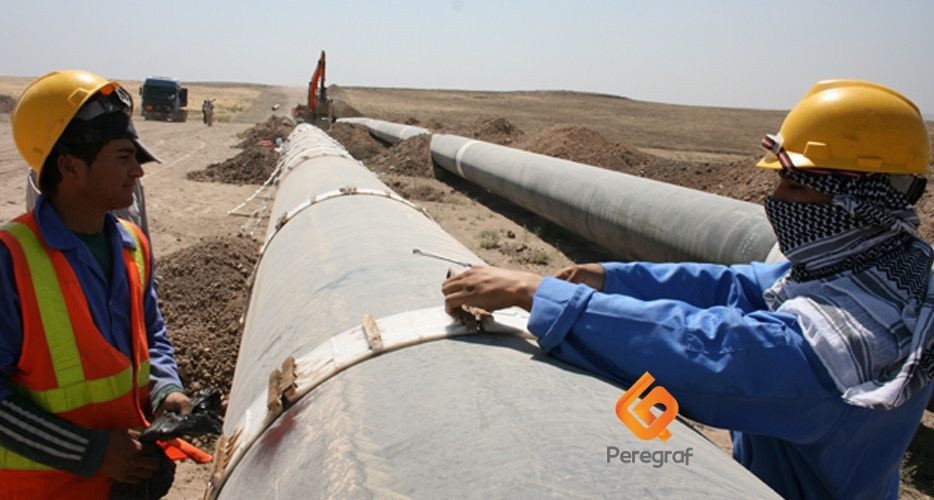
Peregraf - Russian energy giant Rosneft has cut its ownership in the Kurdistan Pipeline Company (KPC) to below 50% following discussions with Kurdish authorities aimed at shielding the critical infrastructure asset from newly imposed American sanctions, a Kurdistan Regional Government official told Reuters on Wednesday.
The strategic divestment comes in response to U.S. sanctions announced last month targeting Rosneft and Lukoil, Russia's two largest oil producers, as part of Washington's efforts to pressure President Vladimir Putin over the ongoing war in Ukraine. The sanctions extend to any entity where the designated companies maintain ownership exceeding 50%.
Pipeline's Strategic Importance
KPC operates Iraqi Kurdistan's primary oil export pipeline, a vital artery that carries crude oil from fields in northern Iraq to the border connection point with the Iraq-Turkey pipeline system. The infrastructure plays a crucial role in the semi-autonomous region's ability to export its petroleum resources to international markets.
"After consultations with the KRG, Rosneft sold part of its stake in the export pipeline project under pressure from recent U.S. sanctions," confirmed an official from the Kurdistan Regional Government's natural resources ministry.
Details of the Transaction
According to two sources with knowledge of the deal who spoke to Reuters, Rosneft divested an 11% stake to DEX Capital, a company based in the United Arab Emirates. The sale brings Rosneft's ownership below the critical 50% threshold that would trigger the application of U.S. sanctions.
Rosneft originally acquired a 60% controlling interest in KPC in 2017, with the local KAR Group holding the remaining 40%. At the time of that initial investment, sources indicated Rosneft's total commitment to the project was projected to reach approximately $1.8 billion.
The Russian oil company did not immediately respond to requests for comment on the transaction.
Broader Context
The move represents the latest example of how Western sanctions on Russian energy interests are reshaping corporate structures and ownership arrangements across international oil and gas infrastructure. It also highlights the complex web of relationships between Russian companies, regional governments, and critical energy assets in the Middle East.