High Electoral Commission Confirms Full Readiness for Special and General Elections
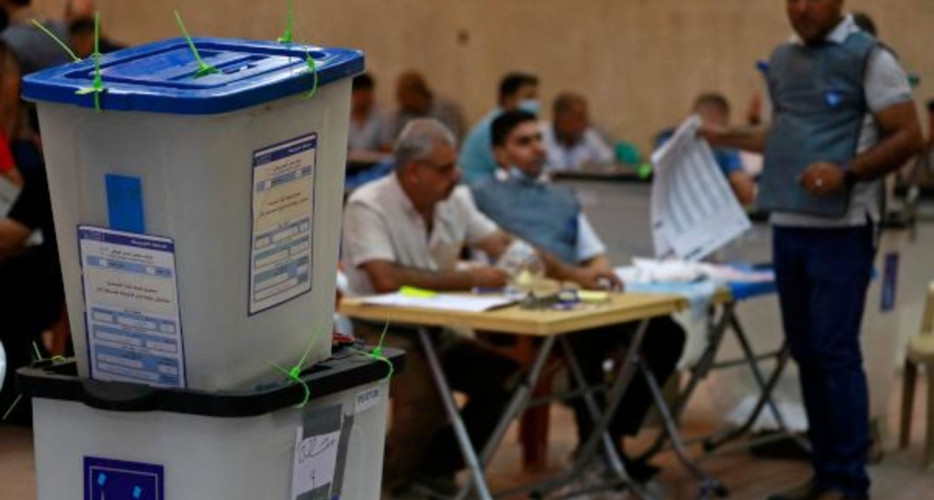
Peregraf- The Iraqi Independent High Electoral Commission (IHEC) announced the completion of all logistical, technical, and administrative preparations for the upcoming special and general voting days, emphasizing that strict monitoring measures have been adopted to ensure the transparency and credibility of the electoral process.
Hassan Hadi Zayer, a member of the IHEC’s media team, said in a press statement that “the Commission is moving towards the voting day with steady steps,” confirming that preparations “have been completed well at the technical, administrative, and logistical levels.”
He added that preparations related to both the special and general voting days “are proceeding smoothly,” noting that “the process of preparing warehouses has been completed, along with securing the sensitive and non-sensitive materials.”
According to Zayer, the Commission is working “in a unified line that integrates the administrative, technical, and security aspects” until reaching the special voting day on November 9 and the general voting day on November 11.
He stressed that all plans are being implemented according to a precise timetable that ensures the timely delivery of election materials to all governorates. The IHEC has also adopted strict monitoring and verification measures to guarantee transparency and reinforce public trust—both domestically and internationally—in the electoral process.
The announcement comes as Iraq prepares for its sixth parliamentary elections since 2003. Campaigning began on October 3 and will continue until November 8, with more than 21.4 million registered voters—including over 3 million in the Kurdistan Region—eligible to cast their ballots.
Across Iraq, 7,768 candidates remain in the race for 329 parliamentary seats. Men make up 71% (5,520) of the candidates, while women represent 29% (2,248). In the Kurdistan Region, 303 candidates are competing, representing major parties, smaller movements, and independents.
The Kurdistan Democratic Party (KDP) leads with 88 candidates, followed by the Patriotic Union of Kurdistan (PUK) with 71. Other competitors include Rawti Halwest (Stance Movement) with 32, New Generation with 25, the People’s Front with 20, the Kurdistan Islamic Union (Yakgirtu) with 16, the Kurdistan Justice Group (Komal) with 14, the Social Democratic Party with 13, and the Iraqi Turkmen Front with nine. Additionally, 15 independents are contesting seats.
The Kurdistan Region has 46 seats allocated in the Iraqi Parliament, including two Christian quota seats—one in Erbil and another in Duhok—while Sulaymaniyah has no minority quota seats.
The IHEC has emphasized that strict adherence to campaign regulations is essential in the coming weeks to ensure a transparent, fair, and credible electoral process.